



honda service under warranty: notes from the driver's seat

I wanted stability and transparency when something minor went wrong, so I treated Honda's warranty service like a simple plan: verify coverage, book smart, bring proof, and ask clear questions. That approach kept the process calm and predictable.

What's actually covered vs. what isn't

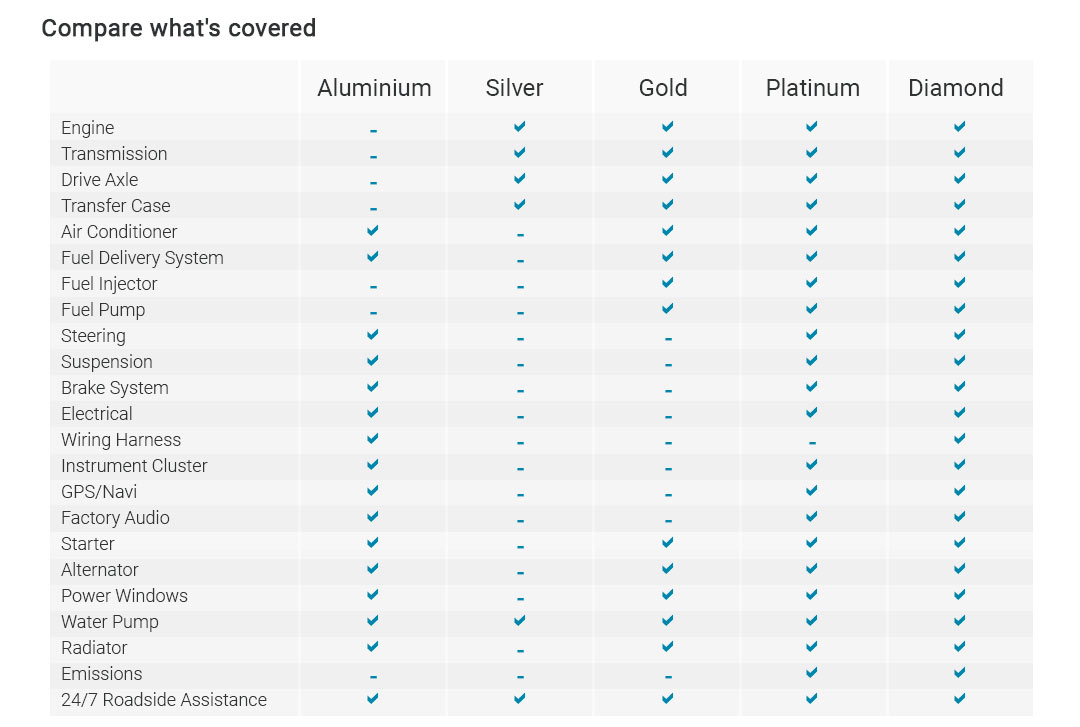
The new-vehicle warranty handles defects in materials or workmanship. It's not a blanket pass for wear or misuse. My advisor was direct about that, which helped.

  • Covered, typically: malfunctioning sensors, infotainment bugs, leaking gaskets, faulty switches, abnormal noises linked to a failed part.
  • Not covered, commonly: brake pads and rotors worn from normal use, tires, wiper blades, alignment knocked out by potholes, damage from modifications, fluids past maintenance intervals.
  • Gray zones: batteries (often prorated), squeaks that vanish on test drives, "intermittent" electrical faults that need evidence.

How I schedule and what I bring

Short calls work, but specific details work better. I note the symptom, when it happens, and whether any lights flash. That way the techs have a starting line.

  1. Ask for a warranty-capable slot and confirm the car's in-service date and mileage.
  2. Describe the symptom succinctly: "Rattle at 45 - 55 mph, right side, worse on rough roads."
  3. Bring maintenance records, even if all work was at the dealer. I also bring a short video if the issue is intermittent.
  4. Request a printed repair order that echoes your description.

Real moment: I rolled in at 7:35 a.m., service lane quiet, advisor scanned my VIN, confirmed I was still within the 3/36 coverage, and we agreed to start with a no-charge diagnosis under warranty. That five-minute clarity set the tone.

Keeping the warranty intact: simple do's and don'ts

  • Do follow the maintenance schedule and keep receipts (oil, filters, coolant). Even DIY is fine if you document.
  • Do remove aftermarket electronics before the visit if they touch the same systems.
  • Don't ignore warning lights. Note the mileage, take a photo, and call.
  • Don't authorize unrelated work before coverage is confirmed in writing.

Costs, approvals, and staying transparent

Under warranty, the repair and the diagnosis tied to a covered defect are typically no charge. If the problem isn't a defect, you might be quoted a diagnostic fee - ask for that number upfront.

  • Right-to-know: I ask for line-item estimates before any non-warranty work.
  • Before/After: I request the replaced part back when allowed. It's a quick trust check.
  • Paper trail: Keep the repair order; it becomes your history if the issue returns.

Parts, updates, and timing

  • Genuine parts are standard under warranty; special orders may add a day or two.
  • Software updates can resolve infotainment glitches or sensor chatter; they're quicker than mechanical swaps.
  • Loaners/Rideshare vary by dealer and situation - ask early if the fix needs time.

Edge cases I've hit

  • Wear vs. defect: A light rotor pulsation was ruled wear, not warranty. The advisor showed measurements, which I appreciated.
  • Intermittent rattle: I replicated it during a short test drive with the tech in the passenger seat; that made approval straightforward.
  • Battery cold snap: Tested borderline; warranty covered a replacement with prorated terms explained on paper.

Dealer vs. authorized options

Warranty repairs should go through Honda-authorized shops so the claim is clean. If I'm far from home, I call ahead, verify they can submit Honda warranty claims, and email my records. Simple and calm beats scrambling.

Questions I ask the advisor

  • Is this concern documented as a Technical Service Bulletin?
  • What exactly triggers coverage here - mileage, symptom, or both?
  • If not covered, what's the diagnostic cap and how long will you hold before I approve?
  • Will any software updates be applied while it's in?
  • Can I see the failed part and the test results?

If a claim is declined

  • Request the specific reason and any photos or measurements.
  • Ask whether an alternate test could confirm the concern.
  • Escalate politely: service manager, then Honda customer care with your repair order number.

Quick checklist before each visit

  • VIN, mileage, and in-service date noted.
  • Symptom list with times, speeds, and conditions.
  • Maintenance receipts in a single envelope or PDF.
  • Photos/videos of warning lights or noises (if applicable).
  • A clear ask: diagnose under warranty first, call me before non-warranty work.

So far, this approach has kept my visits steady and clear, and each small fix has reinforced that a little documentation goes a long way. I'll keep refining the routine as new issues surface and as policies evolve.

https://www.autonationhondadulles.com/warranty.htm
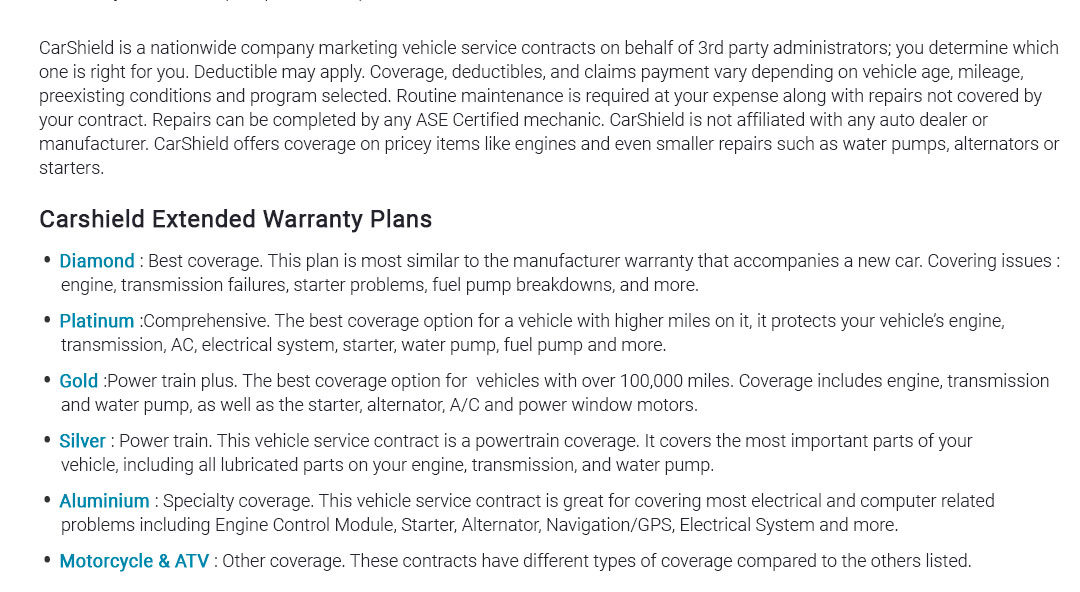
New Hondas are also covered by a 5 year or 60,000 mile powertrain limited warranty, as well as separate warranties addressing rust perforation, emission ...

https://www.reddit.com/r/crv/comments/190ugpx/understanding_honda_maintenance_service_warranty/
I have been reading about the Saccucci Honda Care Plans and went to their website to have them send me the quote. But the email lists three things.

https://www.reddit.com/r/serviceadvisors/comments/uhkj05/how_is_honda_with_warranty_work/
Just a heads up, a repair cannot be under warranty until there is a diagnosis. If it's a factor defect, they'll take your claim, but if it's ...


atwratnwm
4.9 stars -1778 reviews